

Agricultural Film
What Is Agricultural Film
Agricultural film is plastic film that are specifically designed for use in agricultural applications. They are used to protect the soil, cover crops, and lessen the impacts of weathering. The films are also used to maintain crops in good condition while they are stored and transported. They can also be used to control weeds and pests and to prevent soil erosion. Polyethylene, polyvinyl chloride (PVC), and polypropylene are the most common materials used to make agricultural films. They come in a range of thicknesses and can be used for both short- and long-term purposes.
Advantages of Agricultural Film
Modification of soil temperature
Agricultural films play a vital part in the right alteration of the temperature of the soil so that it is ideally acceptable for the effective development of plants. This results in the soil temperature being optimally suitable for the growth of plants.
Protect against the loss of moisture
A reduction in the amount of moisture present in the soil might inhibit the healthy development of plants. The reason for this is that a lack of moisture can cause the soil to dry up, which is detrimental to plant growth and should be avoided at all costs.
Conservation of water/water retention
The agricultural film is very beneficial in lowering the pace of water movement in the soil, which in turn helps to preserve water. These films contribute to a consistent level of humidity in the soil, which is important for the growth of plants and helps to ensure that the soil will not dry up.
Minimize the weed spreading
The application of agricultural films to soil assists in suppressing the growth of weeds in that environment. The acceleration of plant development, which is to the farmers' great advantage, is made possible by controlling the spread of weeds in the soil and therefore reducing their number.
-
![Grapevine Cover Film]() Grapevine Cover FilmGrapevine Cover Film designed for grape planting, using high quality polyethylene (PE) as raw material, combined with advanced anti-resistant technology, can provide all-weather protection for...read more
Grapevine Cover FilmGrapevine Cover Film designed for grape planting, using high quality polyethylene (PE) as raw material, combined with advanced anti-resistant technology, can provide all-weather protection for...read more -
![Greenhouse Plastic Film For Low Tunnel]() Greenhouse Plastic Film For Low TunnelGreenhouse Plastic Film For Low Tunnel is a covering material used in agricultural production, usually made of polyethylene (PE) or polyvinyl chloride (PVC). Arch shed film is widely used in...read more
Greenhouse Plastic Film For Low TunnelGreenhouse Plastic Film For Low Tunnel is a covering material used in agricultural production, usually made of polyethylene (PE) or polyvinyl chloride (PVC). Arch shed film is widely used in...read more -
![PO Agricultural Plantings Film]() PO Agricultural Plantings FilmPO Agricultural Plantings Film refers to the polymer of ethylene, propylene or advanced olefin, which is an upgraded product of EVA Film, is a new type of agricultural film using external spraying...read more
PO Agricultural Plantings FilmPO Agricultural Plantings Film refers to the polymer of ethylene, propylene or advanced olefin, which is an upgraded product of EVA Film, is a new type of agricultural film using external spraying...read more -
![Long-Life Flow-Drop Reducing Film For Cucumber]() Long-Life Flow-Drop Reducing Film For CucumberLong-Life Flow-Drop Reducing Film For Cucumber is the new formula products, specially developed for cucumber planting, our products have many advantages, long service life, good insulation effect,...read more
Long-Life Flow-Drop Reducing Film For CucumberLong-Life Flow-Drop Reducing Film For Cucumber is the new formula products, specially developed for cucumber planting, our products have many advantages, long service life, good insulation effect,...read more -
![UV Protection Film For Flower Planting]() UV Protection Film For Flower PlantingUV Protection Film For Flower Planting is a advanced technology that has revolutionized the way farmers and gardeners grow their plants. This film is specifically designed to protect flowers from...read more
UV Protection Film For Flower PlantingUV Protection Film For Flower Planting is a advanced technology that has revolutionized the way farmers and gardeners grow their plants. This film is specifically designed to protect flowers from...read more -
![Enoki Mushroom Black And White Plastic Film]() Enoki Mushroom Black And White Plastic FilmEnoki Mushroom greenhouse is a kind of facility with heat preservation, shading, humidity adjustment and other functions, and the use of Enoki Mushroom Black And White Plastic Film can achieve a...read more
Enoki Mushroom Black And White Plastic FilmEnoki Mushroom greenhouse is a kind of facility with heat preservation, shading, humidity adjustment and other functions, and the use of Enoki Mushroom Black And White Plastic Film can achieve a...read more -
![PO Greenhouse Plastic Film For Raspberry]() PO Greenhouse Plastic Film For RaspberryPO Greenhouse Plastic Film For Raspberry is a new type of agricultural plastic mulch which is produced by adopting the raw materials of high-grade olefin and other additives,using the external...read more
PO Greenhouse Plastic Film For RaspberryPO Greenhouse Plastic Film For Raspberry is a new type of agricultural plastic mulch which is produced by adopting the raw materials of high-grade olefin and other additives,using the external...read more -
![Low Tunnel Film]() Low Tunnel FilmLow Tunnel Film is a plastic film covering a small arched scaffold. It’s an innovative product used in constructing agricultural tunnels to provide an ideal growing environment for crops and...read more
Low Tunnel FilmLow Tunnel Film is a plastic film covering a small arched scaffold. It’s an innovative product used in constructing agricultural tunnels to provide an ideal growing environment for crops and...read more -
![PO Film For Radish]() PO Film For RadishPO Film refers to the polymer of ethylene, propylene or advanced olefin, which is an upgraded product of EVA Film, is a new type of agricultural film using external spraying drying process.It has...read more
PO Film For RadishPO Film refers to the polymer of ethylene, propylene or advanced olefin, which is an upgraded product of EVA Film, is a new type of agricultural film using external spraying drying process.It has...read more -
![5 Years UV Protection Film For Lily]() 5 Years UV Protection Film For Lily5 Years UV Protection Film For Lily is specialized for lily flower planting. 5 Years UV Protection Film For Lily can effectively adjust the control of ultraviolet light, so that the lily in the...read more
5 Years UV Protection Film For Lily5 Years UV Protection Film For Lily is specialized for lily flower planting. 5 Years UV Protection Film For Lily can effectively adjust the control of ultraviolet light, so that the lily in the...read more -
![PO Greenhouse Plastic Film For Potato]() PO Greenhouse Plastic Film For PotatoSynchronization of optical properties and service life, prolonged service life, low haze, high transparency, maintain the appropriate temperature in the shed, high tensile strength, high tear...read more
PO Greenhouse Plastic Film For PotatoSynchronization of optical properties and service life, prolonged service life, low haze, high transparency, maintain the appropriate temperature in the shed, high tensile strength, high tear...read more -
![Shiitake Mushroom Black And White Plastic Film]() Shiitake Mushroom Black And White Plastic FilmAt present, the Shiitake Mushroom industry is developing rapidly, and the development trend of all over the world is to vigorously encourage the cultivation of Shiitake Mushroom. Shiitake Mushroom...read more
Shiitake Mushroom Black And White Plastic FilmAt present, the Shiitake Mushroom industry is developing rapidly, and the development trend of all over the world is to vigorously encourage the cultivation of Shiitake Mushroom. Shiitake Mushroom...read more


Why Choose Us
High quality
Our products are manufactured or executed to a very high standard, using the finest materials and manufacturing processes.
Advanced equipment
A machine, tool or instrument designed with advanced technology and functionality to perform highly specific tasks with greater precision, efficiency and reliability.
Professional team
Our professional team collaborates and communicates effectively with each other, and is dedicated to delivering high quality results. We are capable of handling complex challenges and projects that require our specialized expertise and experience.
Quality control
We have built a professional quality control team to accurately inspect every raw material and every production process.
Customized services
We understand that each customer has unique manufacturing needs. That’s why we offer customization options to cater to your specific requirements.
24H online service
We try and respond to all concerns within 24 hours and our teams are always at your disposal in case of any emergencies.
Types of Agricultural Film
In addition to packaging, agricultural plastic is also used to perform other tasks such as maintaining soil quality, providing suitable environmental conditions, etc. Agricultural film is a type of wide, thick, and transparent plastic that is produced of polyethylene. Different types of agricultural films are produced in different widths and thicknesses, and each of them has its characteristics. Each type of agricultural film is placed in different categories. For this reason, according to their different characteristics, they are used to perform different agricultural work. Mulch plastic is type of agricultural plastic, which is a type of stretch film, is used to cover the soil surface. Protection of products against drastic changes. Avoiding the negative impact of sunlight on plants. Preventing negative environmental influences. Increasing plant growth and as a result productivity. Preventing insects from entering under nylon and affecting the health of planted vegetables. In this way, you can get better performance by buying quality nylon mulch. Have you ever wondered why wide plastics are used in the construction of a greenhouse? Greenhouse nylon is one of the types of agricultural film that provides the necessary conditions for the growth and reproduction of various plants even outside their growing season. In this way, greenhouse plastics maintain the right temperature, prevent the entry of ultraviolet rays and generally provide ideal conditions. They help to increase the productivity of greenhouse crops. As we said, agricultural films have a common use with other films. Packing and storing different agricultural products is common use. By using silage film (types of stretch film), you can package products such as fodder and prevent them from spreading. With this film, agricultural products remain safe from harmful environmental factors. Among other practical and important agricultural films, we can mention the antiseptic film. In general, disinfecting filmis used to maintain the quality of the soil and thus increase its productivity. Preventing the growth of pathogens and microbes. Preservation of beneficial soil microorganisms. Preventing the growth of weeds. Preventing toxic gases and pollutants from entering the soil Irrigation film. With the help of this type of plastic, you can irrigate agricultural land with any type of planted crop. In general, irrigation nylon is a type of flat plastic that becomes tubular after water enters it. On the other hand, there are holes in the irrigation nylon with a certain distance to allow the water to exit from that. The distance between the irrigation plastic holes is determined by considering the type of cultivated crop.
The market is projected to grow because of the focus on agricultural crop yield. With the purpose of meeting the growing demand for agricultural products, it is necessary to implement technologies such as greenhouse films, mulch films, and silage films, and to apply controlled agriculture. Therefore, the need to increase agricultural production is a crucial driving factor behind the demand for agricultural crop yield. Mulch film has been the agricultural film market's most popular application. Mulch films are used to cover the soil surrounding plants in order to inhibit weed growth, conserve moisture, and maintain soil temperature, resulting in higher agricultural output. Mulch films also serve to reduce the usage of pesticides, herbicides, and fertilizers, supporting environmentally friendly farming practices. The increasing worldwide population has led to the adoption of contemporary farming practices, which has resulted in an increase in demand for agricultural films, notably mulch films. Greenhouse films, silage films, and stretch films for wrapping hay and straw bales are some further uses for agricultural films.Linear Low-Density Polyethylene (LLDPE), Low-Density Polyethylene (LDPE), reclaim, Ethyl-Vinyl Acetate, High-Density Polyethylene (HDPE), and others are various market segments based on the type. LLDPE (linear low-density polyethylene) is expected to be the most common type of agricultural film. Because of its outstanding strength, puncture resistance, and flexibility, LLDPE films are chosen in the agricultural industry for a variety of applications such as greenhouse coverings, mulch films, and silage bags. LLDPE films are also UV resistant, which helps to extend their lifespan and maintain mechanical qualities. The growing demand for LLDPE films can be ascribed to the expansion of the agriculture business, as well as the necessity for better farming procedures to increase crop output. Low-density polyethylene (LDPE), high-density polyethylene (HDPE), ethylene-vinyl acetate (EVA), and reclaimed/recycled films are examples of agricultural films.
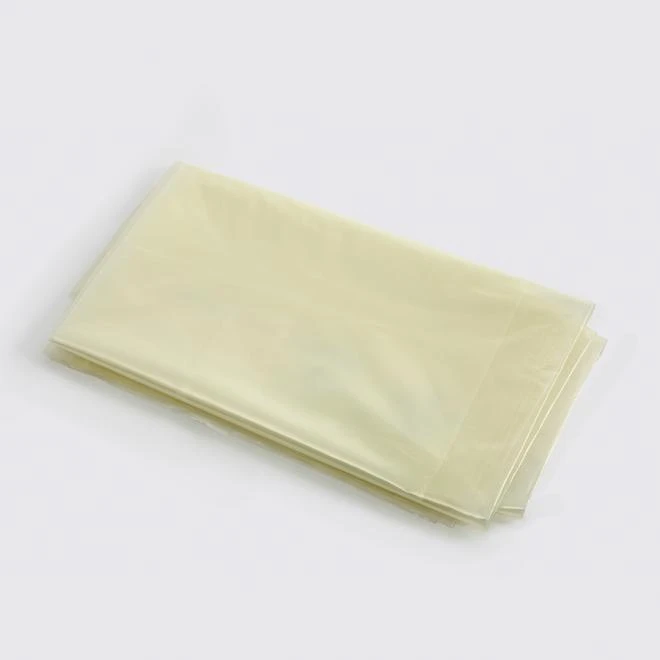
Solution for Sustainable Use of Agricultural Films
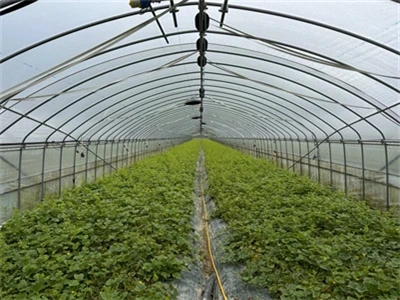
Farm films and nets are essential in agricultural practices because they enhance the nutritional value and yield of the crop, limit insect infestation, and reduce exposure to solar radiation and extreme weather such as hailstorms. The plastic nets adjust the microclimate and curb the impact of harmful elements on the plants. The excessive use of agricultural films compromises the natural biodiversity around crops, such as spiders and small insect communities, which has its ecological benefits. The sustainability of plastic used in the agriculture industry is analyzed from the perspective of life cycle assessment, that is, the ecological impact of farm film materials/carbon footprint on the production phases and recycling/degradation of properties of plastic in the farm environment. Various studies on the sustainability of agricultural films proved that the adoption of biodegradable plastics in agricultural production is a practical solution. Non-biodegradable plastics are sourced from fossil fuels, and the production process generates a significant amount of CO2 which is a primary concern of global warming and climate change issues. The bio-based plastics produced from renewable feedstocks have a minimum negative impact on the environment. The biodegradable agricultural films are developed from a wide range of materials such as corn starch, rice husk, pectin, and food waste. Apart from the low carbon footprint, biodegradable agricultural films are also useful because the surface properties can be customized to have anti-bacterial/anti-microbial properties. Additionally, the mechanical, radiometric, thermal, and optical properties of the material can be tuned according to the biodegradable materials. Agricultural films are used to protect crops and plants in open fields or greenhouses throughout their life cycle. They reduce the crop spoilage risk associated with weather, pests, and weeds, and help in improving the overall crop quality. A wide range of additives, such as agrochemical resistance, UV absorber, and anti-fogging agent, have been used to improve the lifespan and effectiveness of the agricultural films. The development of advanced agricultural films with technologies such as UV-blocking, nanotechnology, and ultra-thermic films has increased the demand for agricultural films across global countries.
Polymer Additives for Agricultural Film
The use of polymer additives in agricultural plastic films offers many advantages for resolving issues related to the greenhouse's durability and operational effectiveness. By melting, uniformly spreading, and then concentrating high-performance polymer additives, a process known as masterbatch can be used to produce significant gains. Enhanced crop production, optimal water utilization, increased pesticide efficiency, and several other benefits are all promoted by polymer additives, which contribute to regulated agricultural settings and promote their use. UV light stabilizers are important additives used in the production of agricultural films to improve their durability and resistance to UV light. Agricultural films are exposed to harsh outdoor conditions and UV light can cause degradation of the plastic material over time, reducing its strength, clarity, and overall performance. UV light stabilizers are important additives used in the production of agricultural films to improve their durability and resistance to UV light. Agricultural films are exposed to harsh outdoor conditions and UV light can cause degradation of the plastic material over time, reducing its strength, clarity, and overall performance. UV light stabilizers are designed to absorb and block UV radiation, preventing degradation of the film and preserving its integrity for a longer period. This can help to extend the lifespan of the film, reduce the need for replacement, and improve overall crop protection and soil conservation. UV light stabilizers can be also added in different forms, including liquids, pastes, and powders, depending on the manufacturing process and specific requirements of the film. In addition to improving the performance of the film, the use of UV light stabilizers can also help to reduce environmental waste by reducing the need for frequent film replacement.Anti-fog additives are important components in the production of agricultural films, as they help to prevent condensation from forming on the film's surface. In high-humidity environments, condensation can form on the film and reduce visibility, making it difficult for farmers to monitor their crops. Anti-fog additives are added to the film during the manufacturing process and work by reducing the surface tension of the film, preventing condensation from forming. This can help to improve visibility, allowing farmers to monitor their crops more effectively and make informed decisions about crop management. This kind of polymer additive can also help to improve the overall performance of the film by preventing moisture from penetrating the film and reducing the risk of mold and mildew growth. By improving visibility and reducing moisture, anti-fog additives can help to increase the efficiency and sustainability of agricultural practices.Biodegradable fillers are an additive added to traditional plastics to enhance the biodegradability of the film. Biodegradable fillers are made from natural materials like straw, leaves, and sawdust that break down over time, reducing waste and minimizing their impact on the environment. Biodegradable fillers offer several benefits for farmers, including helping the agricultural film to decompose, so after the crop is over, the agricultural film can biodegrade and mix into the soil, acting as a fertilizer. This makes biodegradable fillers environmentally friendly and beneficial to the soil.Black carbon additives are substances that are added to agricultural films to improve their thermal performance and UV resistance.
Precautions for Using Agricultural Film
Agricultural film products are designed to provide optimum air for plant growth and optionally retain moisture and protect crops when properly applied and used. Agricultural films encompass mulch, solarization, fumigation barrier, and crop protection films made either from polyethylene (PE) or biodegradable materials. They are either slick, with a smooth surface, or embossed with a diamond-shaped pattern on the surface. The color of agricultural films affects light transmission and reflection, hence soil temperature and weed infestation. Commercially used films are either uncolored (clear), black, white-on-black, which is not actually silver-colored but a black or white film with a thin metallic coating (metalized) on one side.Plastic mulches for growing vegetables range in thickness (gauge) from 0.6 to 2.0 mils. For the use in orchards, groves, and greenhouses they range from 3.0 to 6.0 mils. Plastic mulch is packaged in 2,400 to 8,000 foot long rolls (depending on the film thickness) and is 3 to 8 feet wide. Product rolls not being used should always be stored in the original packaging, away from moisture, direct light, and heat sources, and stored in a cold, dry place on a smooth surface. To avoid physical damage that may impact the laying and performance in the field, rolls should be kept in a horizontal position to avoid crushing and deformations caused by stacking. Rolls must be transported with care. Accidental tears or deformations, due to incorrect storage or transportation may reduce the film’ s performance in the field.Field preparation and soil disinfection. For optimum results, the soil must be loose and friable prior to laying the mulch. Stones, clods, undecomposed plant residues, and other objects that can puncture the mulch should be removed. Fumigants can be injected below the soil surface through either tractor-mounted shanks or through drip tape to control weeds and pests in the soil. Special fumigation barrier films are required to hold fumigants in the soil at the doses needed for control and to reduce the loss of fumigant emission to the atmosphere.Use and lifespan. The film integrity depends on the interaction of a range of physical and environmental factors present in the field. This includes, but is not limited to, installation quality, surrounding acidic and alkaline materials, film thickness, soil moisture, heat, light, agrochemicals used, and in the case of compostable films, microbial activity. Agrochemicals are any chemical used in agriculture, including fertilizers, liming and acidifying agents for adjusting soil pH, soil conditioners, pesticides, plant growth accelerators, and adjuvants used in pesticide formulations themselves or added to tank mixture spray solutions.Crops grown on film can be treated with approved pest control, soil fumigants, and nutritional products when used in accordance with those products’ labels; however, the type and quantity of those agrochemicals used can negatively affect the performance and lifespan of the film.
It is recommended that agricultural film waste have humidity during the crushing stage since the blades of the shredders or crushers might damage the material and agglomerate the contaminants that they contain. They will next be washed on a washing line to reduce the amount of dust and sediments from the land. Normally, these washing lines require a triple washing cycle with a drying centrifuge at the end of each cycle. A hot air centrifuge is required at the end of these cycles to reduce humidity to 3 to 5%, allowing the material to be processed in a pelletizer. Agricultural film wastes that have been crushed, washed, and dried are ready to go through the pelletizer extruder. It has created a technology that combines cutting, extrusion, and pelletizing in one machine to handle agricultural films with low degradation. Films pass via the cutter-compactor and are fed straight to the first extruder.The first extruder has two degassing and one filtration system (double piston). These will eliminate the contamination and moisture that the washing machine couldn't get rid of.Between the first and second extrusions, there is a venting space that acts as a third degassing, ensuring that moisture in the materials is removed.It then proceeds to the second extrusion, where it will pass a second filtration before being pelletized, to ensure that the material is prepared correctly and filtered for pelletization.Finally, we have the pelletizing system, which homogenizes the material into pellets. After the pelletizing system, the recycled pellets pass through a water tank for cooling, then via a vibration tank to reduce the water in the cooling unit, and finally through a centrifugal dryer to entirely remove the water from the cooling unit for better drying.
Our Factory
We are an established manufacturer of agricultural film in China with over 30 years of experience in the industry. Our mission is to empower farmers globally with advanced and innovative solutions that help them achieve better crop yields while promoting environmental sustainability. At our state-of-the-art production facility, we use the latest technology and quality materials to manufacture a wide range of agricultural films, including greenhouse films, silage films, mulch films, and more. Our films are designed to resist harsh weather conditions, enhance crop growth, and protect against pests and diseases.
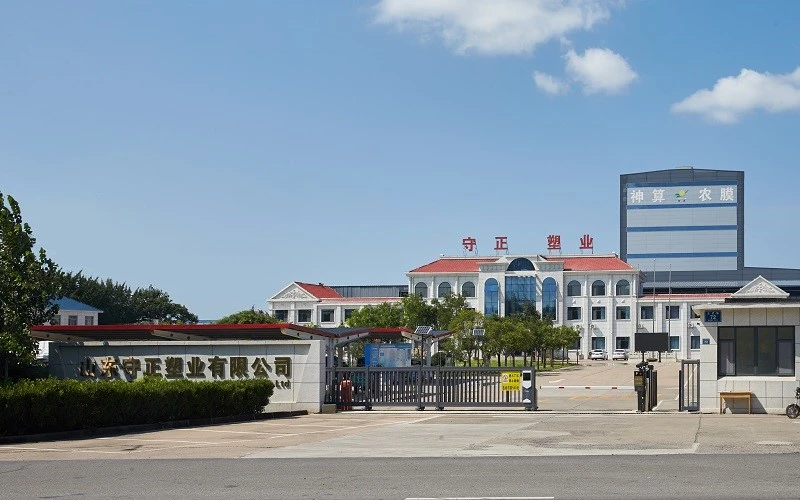


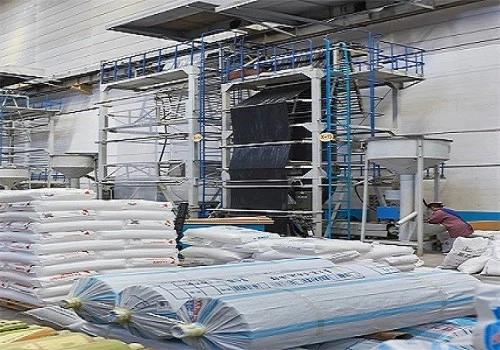
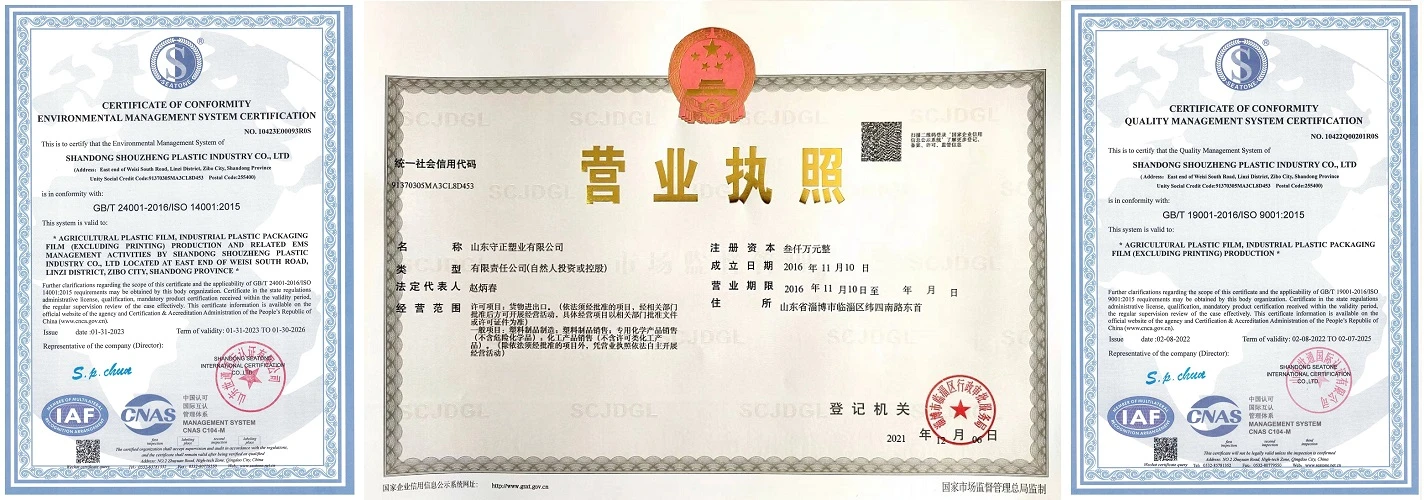
Our certificate
FAQ
We're well-known as one of the leading agricultural film suppliers in China, specialized in providing high quality customized service. Please feel free to wholesale high-grade agricultural film made in China here from our factory.
Green Plustic Mulch, Special Film for Animal Husbandry, Geomembrane Lldpe